- Follow On:
- [email protected]
- +918655715397
- Thane west, Maharashtra - 400604
Date: 22 January 2026
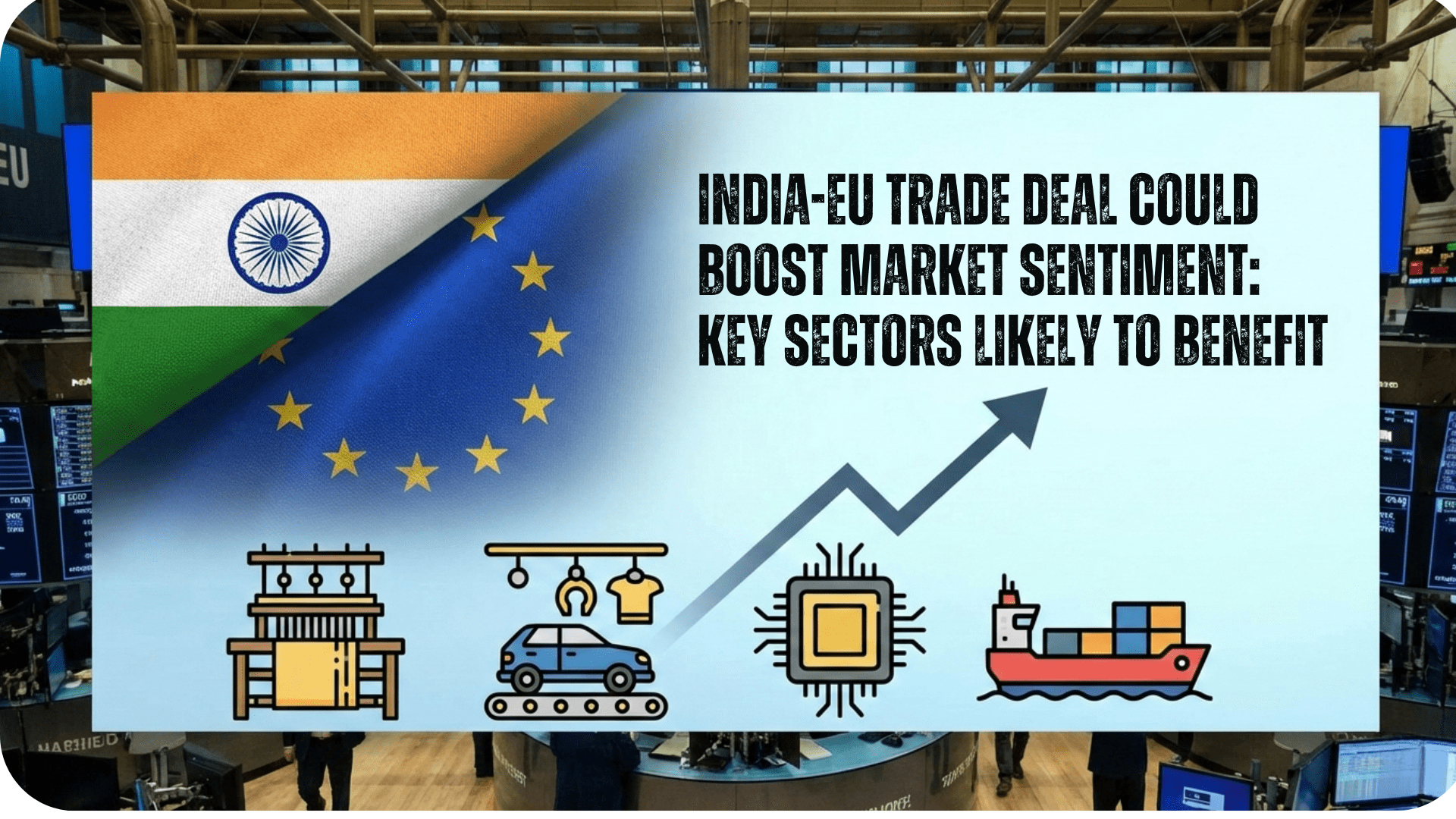
India and the European Union are progressing toward a long-anticipated bilateral trade agreement, a development that could significantly improve market sentiment and strengthen India’s global trade position. Market experts believe the proposed India–EU trade deal may unlock new export opportunities, reduce tariff barriers, and enhance cross-border investments, especially at a time when global supply chains are being re-evaluated.
For Indian businesses, exporters, and multinational companies, the agreement signals a strategic shift toward deeper economic integration with one of the world’s largest trading blocs.
The European Union is already one of India’s largest trading partners. A comprehensive trade agreement could:
Improve access for Indian goods and services to EU markets
Lower duties and non-tariff barriers
Encourage foreign direct investment (FDI)
Enhance policy predictability for cross-border operations
Such developments often have a positive ripple effect on stock markets, business confidence, and long-term investment planning.
Indian IT and technology firms could gain from smoother market access, data cooperation frameworks, and increased demand for digital transformation services across Europe.
Lower trade barriers may boost exports of generic medicines, APIs, and healthcare services, strengthening India’s position as a global pharma hub.
Sectors such as auto components, industrial machinery, and capital goods may see higher export volumes due to reduced tariffs and regulatory alignment.
The trade deal could enhance competitiveness for Indian textile exporters by easing compliance requirements and improving price parity in EU markets.
Accounting, compliance, consulting, and B2B services may benefit from increased cross-border business activity and demand for regulatory support.
From a broader perspective, the India–EU trade deal could:
Strengthen investor confidence in Indian markets
Support export-led growth strategies
Improve currency stability through higher trade inflows
Increase demand for compliance, tax structuring, and payroll services for global operations
For listed companies, especially those with strong EU exposure, improved earnings visibility may positively influence valuations over the medium term.
Businesses operating across borders should prepare for:
Changes in trade compliance and documentation
New tax, customs, and transfer pricing considerations
Increased demand for payroll, HR, and finance alignment across jurisdictions
Greater focus on regulatory readiness for EU standards
Early preparation can help organizations leverage the benefits of the agreement while minimizing operational friction.
At Wisecor, we support businesses navigating global trade and regulatory transitions through:
Cross-border finance & accounting support
Payroll and HR compliance for international teams
Trade-linked tax and statutory advisory
Digital process automation and reporting
As India deepens economic ties with the EU, our expertise helps businesses stay compliant, scalable, and future-ready.
Stay connected with Wisecor for timely insights on global trade developments, policy updates, and their impact on businesses.
Subscribe to our newsletter and stay updated.